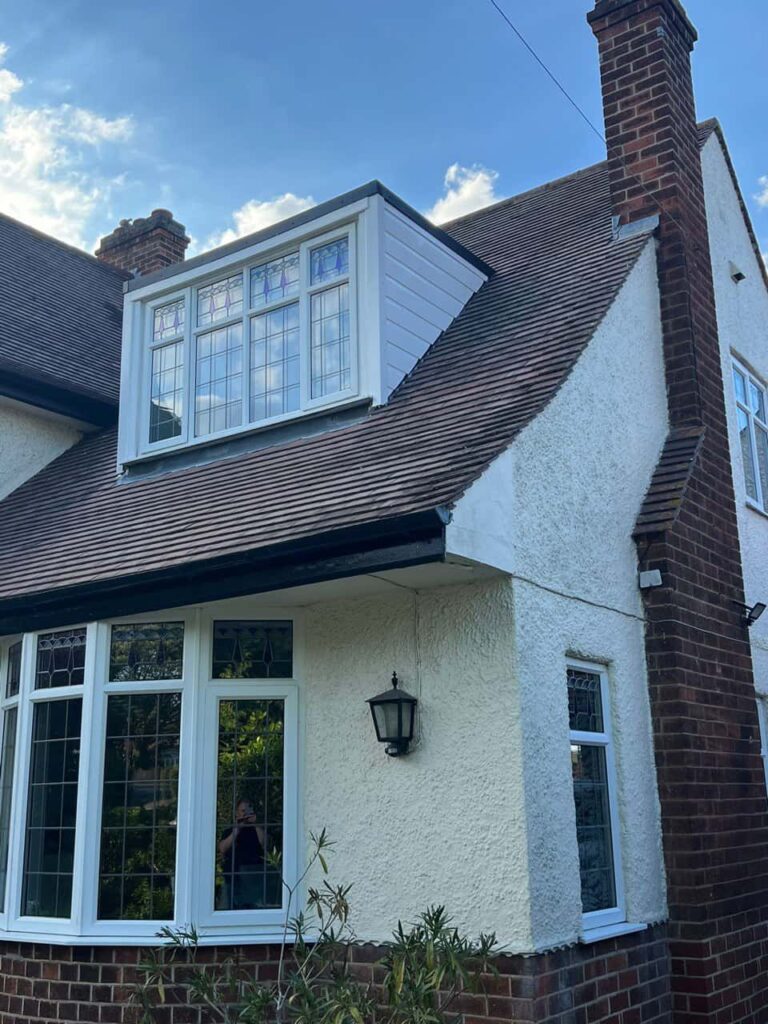
Roofing problems rarely improve when they are left alone. A single slipped tile, a small defect in the flashing or a minor area of deterioration may initially affect only one part of the roof, but continued exposure to rain and wind can allow the problem to develop. What could have been a focused repair can eventually begin affecting surrounding roofing materials and the structure beneath them.
For homeowners in Stamford Bridge, East Riding of Yorkshire, responding to early warning signs is one of the most effective ways to protect the roof and preserve as much of the existing roofing system as possible.
Why Small Roof Defects Can Become Larger Problems
A roof works as a complete protective system. Tiles or slates form the outer covering, while underlay, battens, flashing, structural timbers and other components work together beneath and around them.
When one element becomes damaged, surrounding components can become more exposed.
For example, a displaced tile may create an opening through which rainwater can reach materials that would normally remain protected. If the defect is repaired promptly, the issue may remain localised. If it is ignored, repeated weather exposure can allow deterioration to spread.
Water Ingress Is Often the Main Concern
Water can cause roofing problems to develop beyond the original defect. Once moisture gets beneath the outer covering, it does not necessarily remain directly below the point where it entered.
Water may travel along roofing materials or structural components before becoming visible elsewhere.
Prolonged water ingress can affect:
- Roofing underlay
- Timber battens
- Rafters and other roof timbers
- Loft insulation
- Ceilings and internal finishes
This is why the position of an internal damp patch does not always reveal exactly where the roof has failed.
Slipped and Damaged Tiles Should Be Addressed Promptly
Individual tiles can become cracked, broken or displaced through age, weather exposure and general deterioration.
Although one damaged tile may appear relatively insignificant, it can leave the layers beneath the roof covering more vulnerable.
Early attention allows the affected tile and surrounding area to be inspected. This provides an opportunity to determine whether the defect is isolated or whether nearby components also require attention.
Replacing or securing damaged roofing materials before further exposure occurs can prevent a straightforward issue from becoming more extensive.
Flashing Defects Can Allow Moisture into Vulnerable Areas
Lead flashing and other weatherproofing details are particularly important around roof junctions and penetrations. These areas require careful detailing because different surfaces meet there.
When flashing becomes loose, damaged or deteriorated, water may find a route beneath the roof covering.
Repairing flashing promptly helps restore the weatherproof barrier before moisture begins affecting adjoining materials.
A professional inspection is important because the visible defect may only represent part of the problem.
Early Repairs Can Protect Roof Timbers
The timber structure beneath a roof depends on the external covering keeping it reasonably dry and protected.
Persistent moisture can gradually affect timber condition. Because these components are largely hidden, deterioration may progress for some time before homeowners realise there is a problem.
Addressing leaks early helps reduce prolonged moisture exposure and protects the structural components beneath the roof.
Minor Leaks Can Be Difficult to Spot
Not every roof leak immediately produces dripping water inside the home. Some defects allow relatively small amounts of moisture to enter, particularly during certain wind or rainfall conditions.
Possible early warning signs include:
- Discolouration on ceilings
- Damp patches in the loft
- Musty smells
- Moisture around roof timbers
- Damaged or displaced tiles visible externally
- Changes around flashing or roof junctions
Investigating these warning signs promptly can reveal problems while they are still relatively contained.
Weather Can Accelerate Existing Damage
Once a roof has developed a weak point, changing weather conditions can place additional stress on it.
Wind can move already-loose roofing materials, while rainfall can exploit openings that were previously small. Repeated wetting and drying, combined with seasonal temperature changes, can also contribute to continued deterioration.
Repairing vulnerable areas early restores protection before further weather exposure has the opportunity to enlarge the problem.
Early Intervention Can Preserve More of the Existing Roof
A roof does not necessarily require extensive work simply because one component has failed.
When the surrounding materials remain in serviceable condition, a targeted repair may be sufficient to restore weather protection. The longer deterioration continues, however, the greater the possibility that additional components will become affected.
Prompt professional repairs can therefore help preserve:
- Existing tiles or slates
- Sound sections of underlay
- Battens
- Roof timbers
- Interior finishes
The objective is not simply to repair what can be seen, but to stop the original defect from influencing a wider area.
Finding the Cause Matters More Than Treating the Symptom
A lasting roof repair begins with accurate diagnosis.
Replacing a damaged tile may not resolve the problem if the real source of water ingress is defective flashing nearby. Similarly, treating an internal damp mark without investigating the roof would not address the reason moisture is entering.
Professional roofers assess the wider area to establish:
- Where water is entering
- Why the defect developed
- Whether surrounding materials are affected
- Which components need repair
- Whether additional preventative work is appropriate
This approach helps prevent the same issue from repeatedly returning.
Regular Roof Inspections Support Preventative Maintenance
Homeowners cannot easily see every part of their roof from ground level. Valleys, flashing, ridge details and other areas may deteriorate without creating an immediately obvious warning sign.
Periodic professional inspections can identify developing defects before they result in visible internal damage.
This is particularly useful after periods of severe weather or when a roof is beginning to show signs of age.
Why Professional Roof Repairs Are Important
Roof repair involves more than covering a visible gap. The correct solution depends on the type of roof, the location of the defect and the condition of surrounding materials.
Experienced roofing professionals can assess how individual components interact and carry out repairs that restore the integrity of the affected area.
Quality workmanship is particularly important when dealing with leaks because incomplete repairs may temporarily disguise the problem without eliminating its underlying cause.
Professional Roofing Repairs in Stamford Bridge
At TRP Roofing Stamford Bridge, we provide professional roof repair and maintenance services throughout Stamford Bridge, East Riding of Yorkshire. Our approach focuses on identifying the source of roofing problems and assessing the surrounding area before recommending appropriate repair work.
Whether the problem involves damaged tiles, water ingress, flashing or general roof deterioration, early professional attention can help contain the issue and protect unaffected parts of the roofing system.
By focusing on accurate assessment and high-quality workmanship, we aim to provide dependable repairs that support the long-term performance of your roof.
Conclusion
Roof damage often spreads because an initial weakness allows weather and moisture to affect surrounding materials. A slipped tile, damaged flashing or small leak may begin as a localised problem, but leaving it unresolved can expose underlay, battens, structural timbers and internal areas to further deterioration.
For homeowners in Stamford Bridge, East Riding of Yorkshire, acting early can make an important difference. Prompt inspection and professional repairs help identify the cause, contain existing damage and preserve more of the original roof.
If you have noticed a roofing defect or signs of water ingress, contact TRP Roofing Stamford Bridge to arrange a professional assessment. Addressing the problem while it is still contained is one of the most effective ways to keep your roof performing reliably for longer.
Call us on: 01759 487 796
Click here to find out more about TRP Roofing Stamford Bridge
Click here to complete our contact form and see how we can help with your roofing needs.