A roof leak is not always accompanied by dripping water or a large ceiling stain. Moisture can enter through a small defect and remain concealed within the roof structure for an extended period. By the time the signs become noticeable inside the property, the affected area may be larger than expected.
For property owners in Stamford Bridge, East Riding of Yorkshire, understanding how hidden roof leaks develop can help prevent avoidable deterioration. Early professional assessment is particularly important when a roof has loose tiles, damaged flashing or other defects that may not appear serious from ground level.
How Roof Leaks Develop Without Clear Warning Signs
Roofing systems contain several layers, including tiles or slates, battens, underlay, insulation and structural timbers. Water can move between these components without immediately reaching the ceiling below. This allows a leak to continue while the rooms inside the property appear unaffected.
Water Can Travel Away From the Entry Point
The location of an internal damp patch does not always reveal where rain is entering. Water may follow the underlay, run along a rafter or collect at a roof junction before dripping into the property.
This movement can make the original defect difficult to identify. Repairing only the area above the visible stain may fail to stop the leak if its source is further up the roof.
Insulation Can Conceal Moisture
Loft insulation can absorb or hold water before any dampness appears on the ceiling. Although this may delay visible signs, moisture can continue affecting the surrounding materials.
Wet insulation may also dry slowly, particularly where airflow is limited. A leak can therefore remain unnoticed between periods of rain while hidden components continue to deteriorate.
Small Defects Can Gradually Widen
A fine crack in a tile, a slightly lifted section of flashing or a weakened fixing may initially allow only a small amount of rain into the roof. Repeated exposure to wind and changing weather conditions can gradually enlarge the opening.
Once the defect worsens, each period of rainfall may introduce more water. What began as minor seepage can eventually develop into persistent water ingress.
Underlay Damage May Remain Hidden
Roofing underlay provides secondary protection beneath the tiles. If it becomes torn, brittle or damaged around fixings, water that passes through the outer covering may reach the battens and timbers below.
Because the underlay is concealed, its condition cannot usually be assessed from ground level. Lifting selected tiles may be necessary to determine whether deterioration extends beneath the visible surface.
Roof Timbers Can Be Affected Before Ceilings Show Damage
Persistent moisture may cause staining, distortion or softening in timber components. Battens can weaken around fixings, making tiles less secure, while prolonged dampness may affect rafters and other supporting materials.
These changes can develop gradually without producing an obvious internal leak. A musty smell, damp loft surfaces or dark marks on timber may provide the first indication that water has been entering for some time.
Flashing and Junction Defects Are Easy to Miss
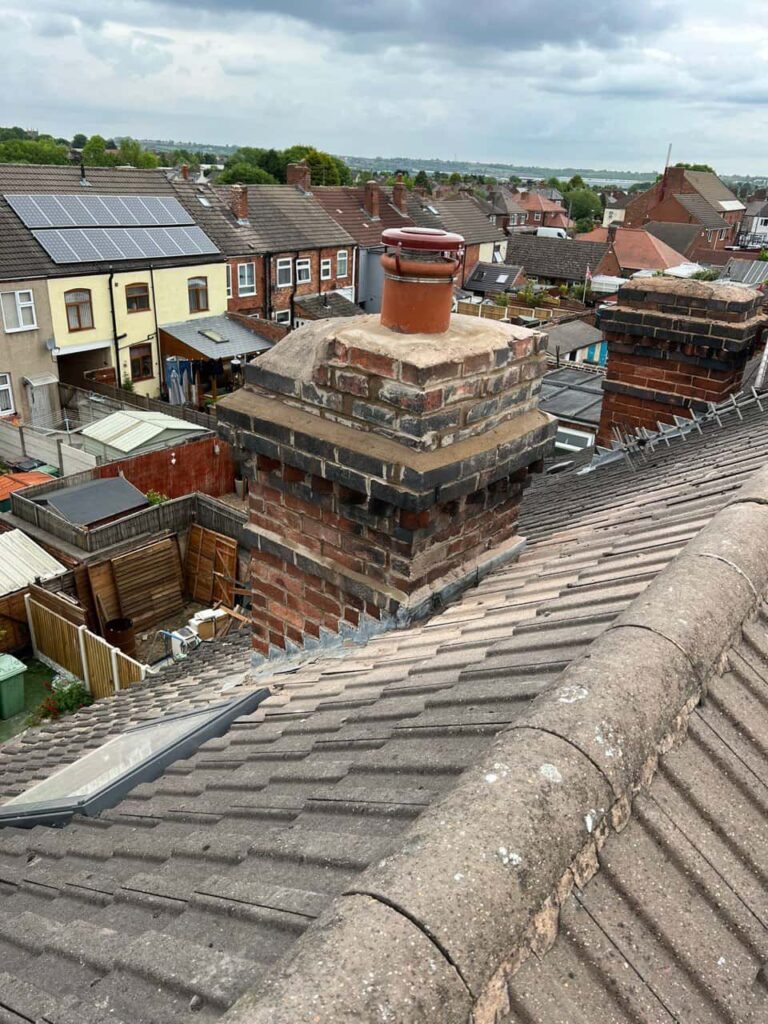
Chimneys, valleys, roof penetrations and changes in roof level require carefully formed weatherproof details. Small separations or cracks in these areas can admit rain while remaining difficult to see from below.
Wind-driven rain can make the problem intermittent. A roof may remain dry during light rainfall but leak when rain approaches from a particular direction, making the defect appear unpredictable.
Internal Signs May Disappear Temporarily
A damp patch may fade during dry weather, but this does not necessarily mean the roof has stopped leaking. The affected materials may simply have dried between periods of rainfall.
If the entry point remains open, moisture is likely to return. Repeated wetting and drying can gradually damage plaster, insulation, timber and decorative finishes even when the warning signs are not continuously visible.
Common Signs of a Concealed Roof Leak
Potential warning signs include:
- Faint discolouration on ceilings or upper walls
- Damp or compressed loft insulation
- Dark staining on rafters or battens
- Peeling paint or bubbling plaster
- A persistent musty smell
- Rust around metal fixings
- Small fragments of tile or mortar around the property
- Dampness that appears only after wind-driven rain
Each sign deserves investigation, particularly if it returns following wet weather.
Why Early Professional Inspection Matters
A professional roofer can assess both the visible roof covering and accessible concealed areas. The inspection may include tiles, flashing, valleys, ridge details, underlay, battens and internal timbers.
This broader approach helps locate the true entry point and establish how far the moisture has travelled. It also allows the repair to address damaged supporting materials rather than simply covering the most obvious symptom.
Conclusion
Roof leaks can worsen quietly because water may travel beneath the roof covering, collect in insulation or affect timber before appearing inside the property. Temporary dry periods can make the problem seem resolved, even though the source remains open.
TRP Roofing Stamford Bridge provides professional roof inspections and repairs in Stamford Bridge, East Riding of Yorkshire. If you have noticed subtle dampness, displaced roofing materials or unexplained marks inside your property, contact our team to arrange an assessment before hidden water ingress develops further.
Call us on: 01759 487 796
Click here to find out more about TRP Roofing Stamford Bridge
Click here to complete our contact form and see how we can help with your roofing needs.